

Caring for Your Antique Jewellery
Antique jewellery was made to last. Many of the pieces in our collection have already been worn and treasured for well over a century, and with the right care, they can continue to be enjoyed for generations to come.
However, antique jewellery does require a little more consideration than modern pieces. Settings may be delicate, gemstones can react differently to water and cleaning products, and traditional techniques such as foil-backing require specialist care.
Understanding how to look after your jewellery will help preserve both its beauty and its history.
Everyday Care
One of the simplest ways to care for antique jewellery is to be mindful of when you wear it.
We recommend removing jewellery before showering, swimming, exercising or sleeping. It is also best to take pieces off when cleaning, gardening or doing anything that could expose them to knocks, chemicals or excessive moisture.
Perfume, hairspray, moisturiser and other cosmetics can gradually build up on gemstones and metalwork, so ideally jewellery should be the last thing you put on when getting ready.
After wearing a piece, gently wiping it with a soft, dry cloth can help remove oils and residue before it is stored.
Storage is equally important. Keep antique pieces individually in soft pouches, boxes or separate compartments so that harder gemstones and metalwork cannot scratch more delicate jewellery. Chains should be fastened before storing to help prevent tangling.
Wearing Antique Pieces Safely
Antique jewellery was often beautifully made by hand, using techniques that required an extraordinary level of craftsmanship. While the quality can be exceptional, it is important to remember that these pieces have also lived long lives.
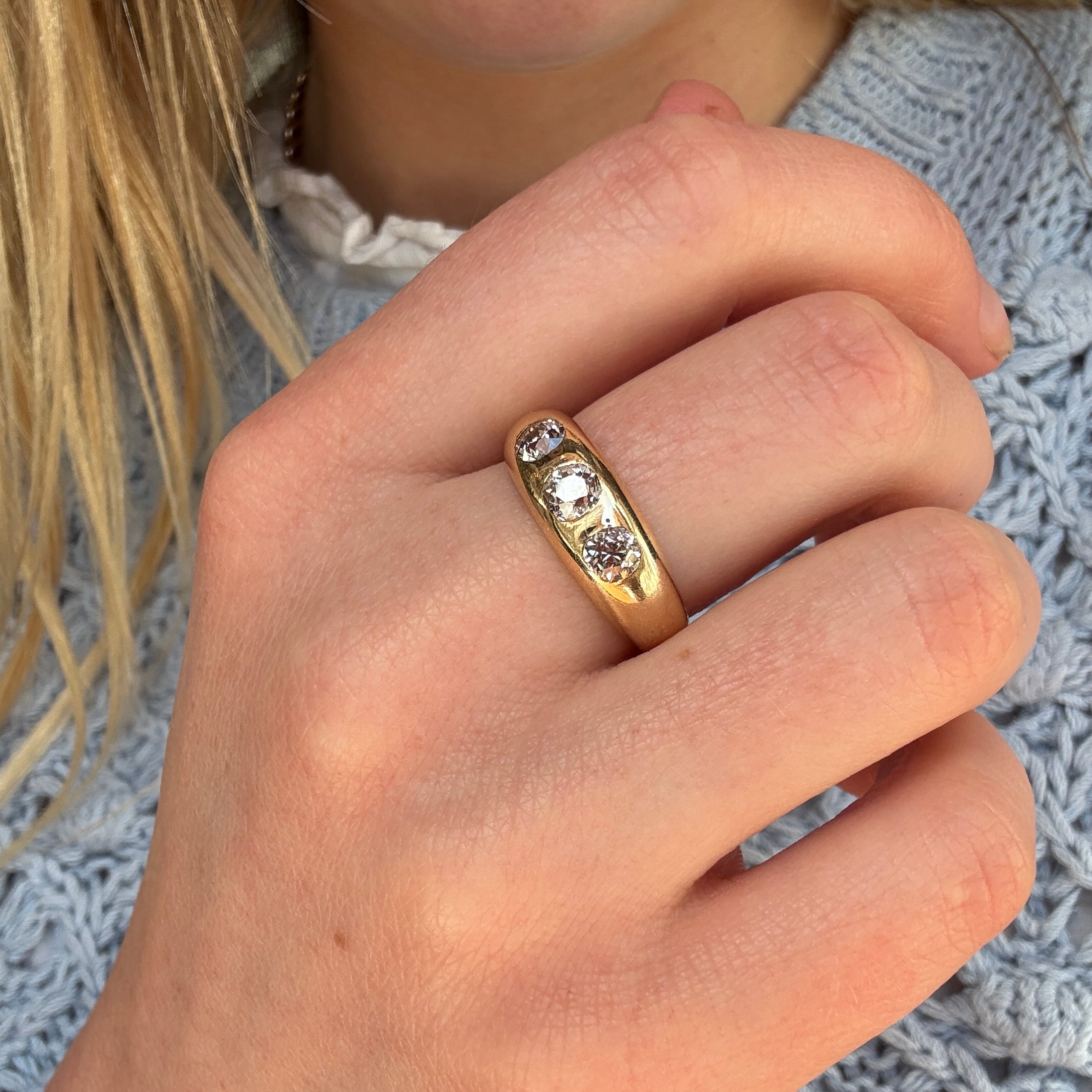
Before wearing a ring regularly, check that the stones feel secure and that the claws or settings are not catching on clothing. Fine chains, delicate links and antique clasps should also be handled carefully rather than pulled or forced.
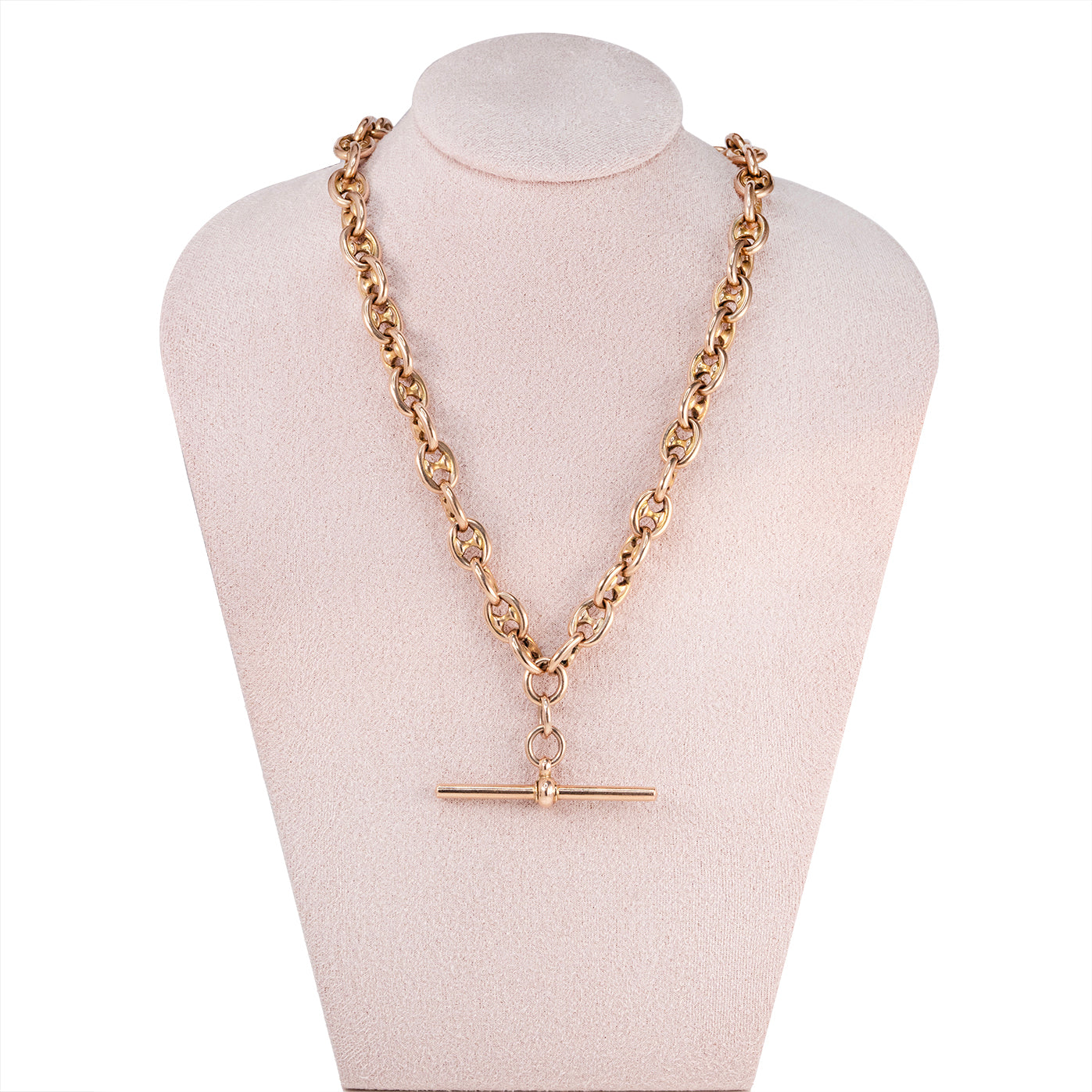
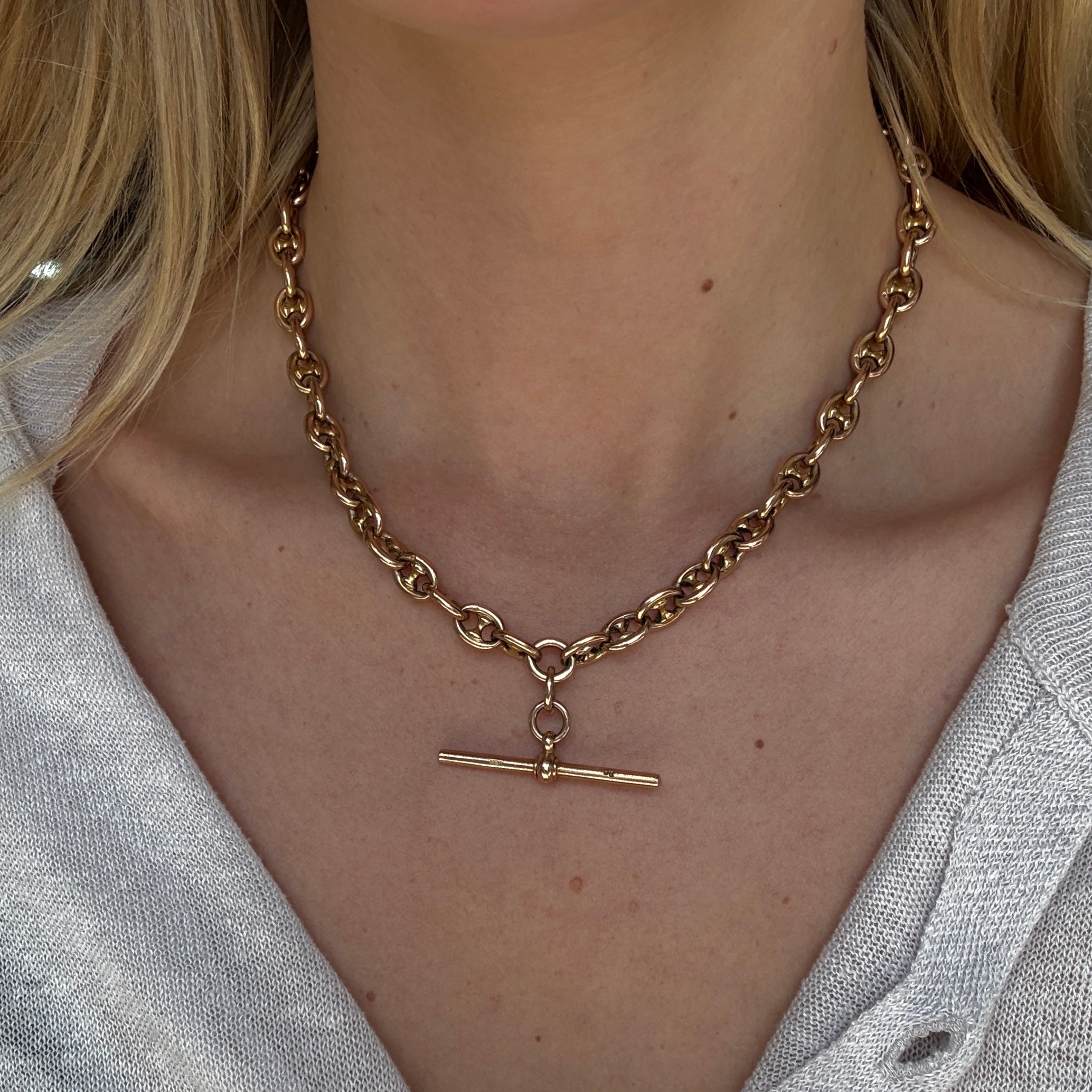
Some antique pieces are naturally better suited to occasional wear. A substantial Victorian gold chain, for example, may happily be worn every day, while a delicate Georgian ring or intricately set piece may require a little more caution.
We always recommend treating each piece individually rather than assuming that all antique jewellery should be cared for in the same way.
Caring for Foil-Backed Stones
Foil-backed stones are frequently found in Georgian and early Victorian jewellery. A thin layer of metallic foil was placed behind the gemstone to reflect light and enhance its colour and brilliance - particularly important in a period when jewellery was designed to sparkle beautifully in candlelight.
Foil-backed and antique paste jewellery should never be soaked or submerged in water.
Moisture can work its way behind the stones and damage or discolour the foil, potentially changing their appearance permanently.
Avoid ultrasonic cleaners, steam cleaners and liquid jewellery cleaners unless a specialist has specifically confirmed that they are suitable for your piece.
Instead, gently clean the surface with a very soft, dry cloth or brush. If a piece needs more thorough cleaning, it is always safest to have it professionally assessed first.
This is particularly important with closed-back Georgian settings, where the construction of the jewellery means moisture can become trapped behind the stones.
When to Seek Professional Help
If you notice a loose stone, worn claw, damaged setting, weakened link or faulty clasp, stop wearing the piece until it can be examined.
Small problems are often relatively straightforward to repair when caught early. Continuing to wear a ring with a worn claw, for example, could eventually result in the loss of a stone.
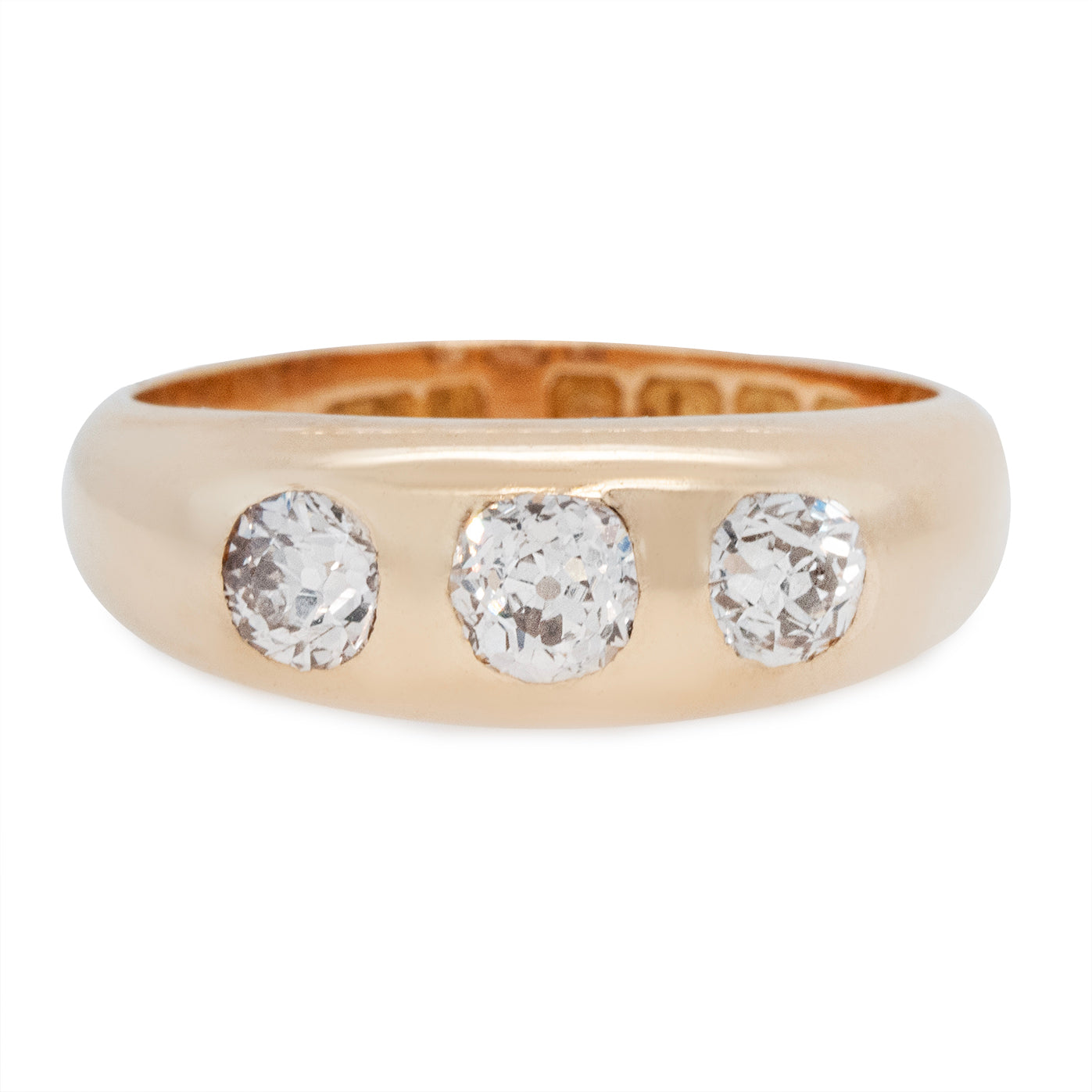
Antique jewellery should ideally be repaired by a jeweller or goldsmith who understands historic construction techniques. Modernising a setting unnecessarily, polishing too heavily or replacing original components can alter both the character and value of a piece.
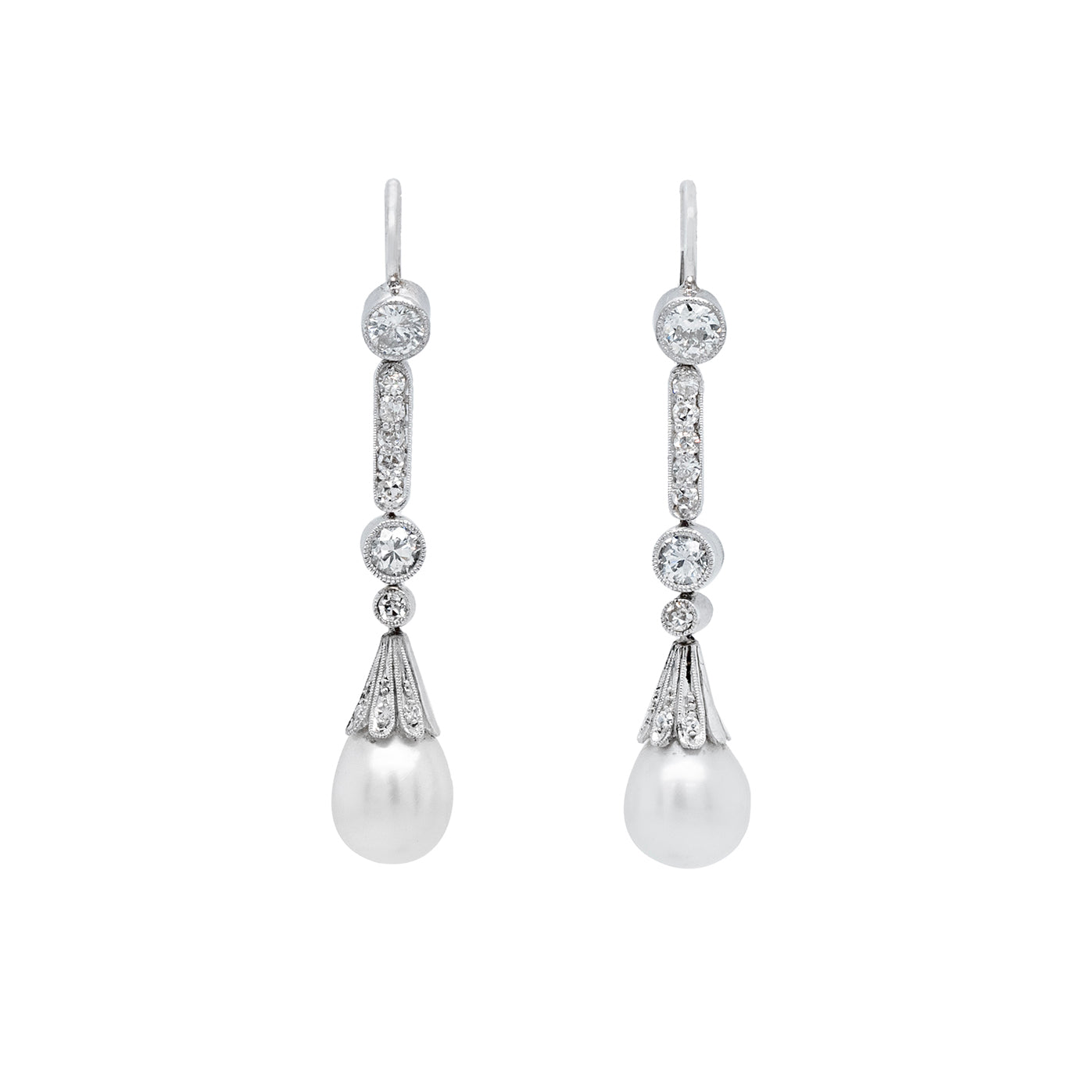
We also recommend professional advice before attempting to clean an antique piece if you are unsure what gemstones or materials it contains. Pearls, opals, turquoise, coral, enamel and foil-backed stones all require more specialised treatment.
At Charlotte Sayers, we carefully inspect our jewellery before it is offered for sale and can advise on the appropriate care for individual pieces.
Looking After Pieces for the Next Generation
Perhaps one of the most wonderful things about antique jewellery is that we are only temporary custodians of it.
A Georgian ring made more than 200 years ago may already have passed through many hands. A Victorian necklace may have been worn for weddings, celebrations and ordinary days across several generations before finding its way to its current owner.
Looking after antique jewellery isn't about keeping it hidden away. These pieces were made to be worn and enjoyed. It is simply about wearing them thoughtfully, maintaining them when necessary and respecting the craftsmanship that has allowed them to survive for so long.
With proper care, the antique jewellery you choose today can continue its story long after it leaves your jewellery box — eventually becoming part of somebody else's.
After all, the greatest testament to the quality of antique jewellery is that so much of it is still being worn, loved and passed on centuries after it was made.
Our Commitments
Authenticity
All our pieces are guaranteed genuine and we don’t sell reproductions. If there is any dispute over a piece we would rather have it returned than any disagreement, obviously with the usual reservations.
Quality
Each piece is vetted and meticulously inspected. With over 35 year experience in the industry, Charlotte Sayers only stocks the highest quality antiques.
Service
Our reputation to our customers is paramount at Charlotte Sayers. Some of our customers have been shopping with us for decades. Jewellery is always about the customer, we take time to listen to any requirements and always have our customers best interest in mind.
Transparency
We are totally honest with our customers. If there is some wear or damage to a piece this will be included in the product description and the price will be reflective.

Introducing
The Flagship Store
We are based in the heart of London, near Oxford Street and Bond Street.
Charlotte Sayers, Shop 313, Gray’s Antique Market,
58 Davies Street, London W1K 5LP
As seen in